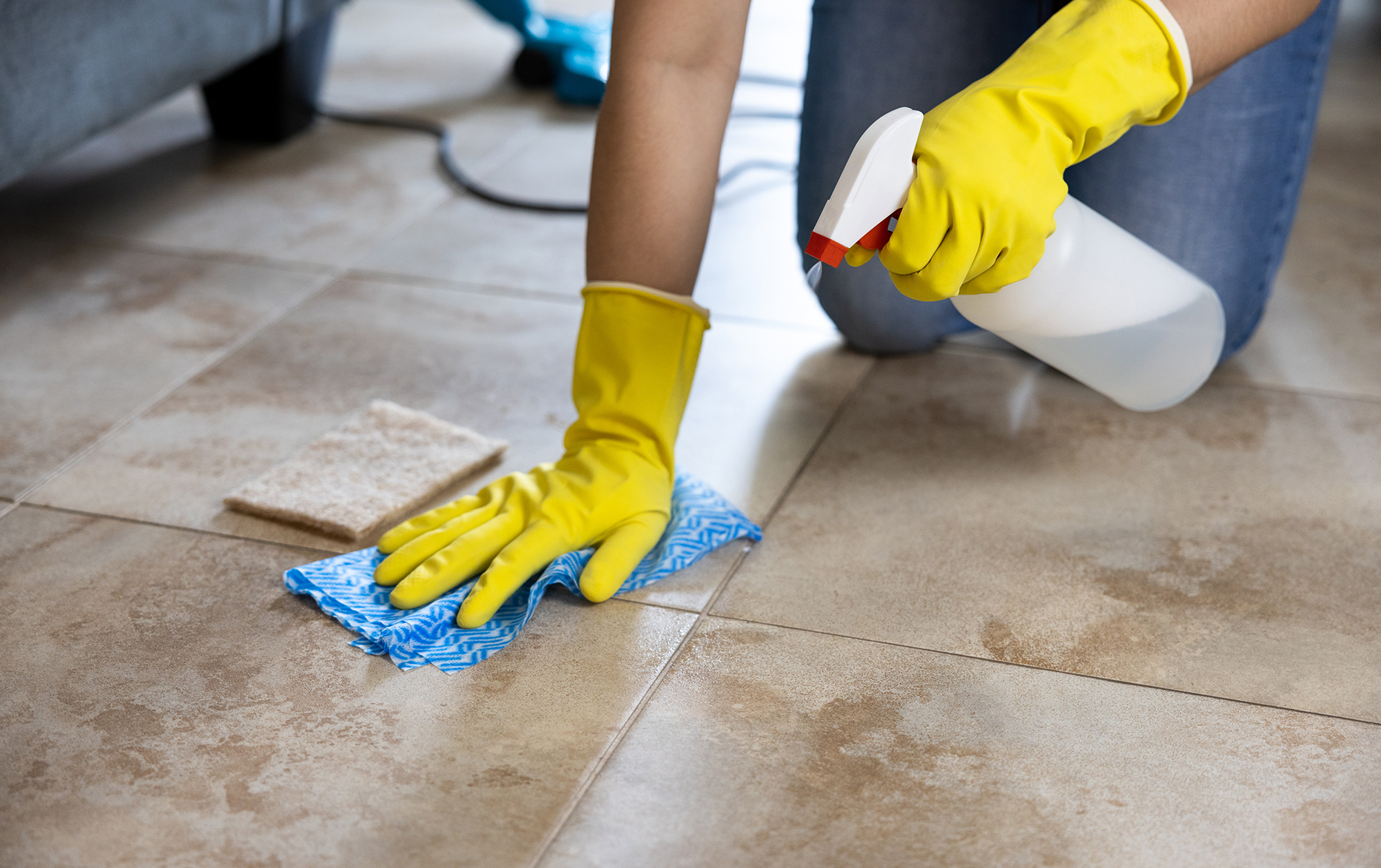
You love your bike, so it deserves proper care. Regular cleaning is a key part of bike maintenance: aim to clean a road bike monthly, and a mountain bike more often, especially after muddy or wet rides. Dirt and grease buildup can accelerate corrosion and chew into your drivetrain, so staying proactive helps you catch wear and tear early and avoid costly repairs down the road.
A bike stand makes cleaning easier by giving you full access to your bike, including the pedals and drivetrain. No stand? Lay down a towel to protect your seat and handlebars, then turn your bike upside down.
Done wrong, though, cleaning can actually hurt your bike's performance or finish. Here are the 5 most common mistakes to avoid:
Don't skip the initial rinse of your bike before cleaning. Doing so sharply increases the likelihood of gritty debris scratching and marking your bike frame's finish. Before grabbing the cleaning product and scrubbing away, use a garden hose to spray down your entire bike from top to bottom. This is where you can get rid of those larger chunks of mud caked into your wheels without spreading it all over your bike. A pre-wash rinse will also help the cleaner penetrate soils more deeply, for a better all-around cleaning.
Be careful in your choice of cleaning product to avoid seriously damaging your bike. Various metals and rubber materials on your bike have different sensitivities and cleaning requirements. High alkaline cleaners and solvent-based cleaners can cause rubber seals to dry out and crack, and cause damage to painted and plastic surfaces.
Detergent-based soaps can have an adverse reaction on aluminum, causing damage to parts over time. Titanium, aluminum, magnesium, and carbon fiber are susceptible to etching and corrosion, so it's best to use a cleaner that's safe for the metals, rubber, and plastics on today's bikes.
Simple Green Bike Cleaner & Degreaser Aerosol is a non-corrosive formula that cuts through caked-on mud, dirt, grease, grime, and other road and trail soils. It's safe for use on all bike parts, including metal, rubber, carbon fiber, plastic, painted surfaces, chains, and derailleurs.
Keeping your chain, derailleurs, and cassette clean is particularly important, as any buildup and debris in these areas can spell serious trouble for your bike's functionality. Spray Simple Green Bike Cleaner & Degreaser directly into your drivetrain, and use a toothbrush to work into smaller areas and penetrate tough grime, dirt, and grease. Then thoroughly rinse the drivetrain.
Chain cleaning is important, and re-lubricating before putting it back on your bike is just as critical. But be careful if the chain isn't clean first. Applying new lubricant on top of dirty residue lets dirt and grime accumulate on the links, wearing out the chain over time. After lubing, give the fluid time to settle, then wipe off the excess with a dry cloth.
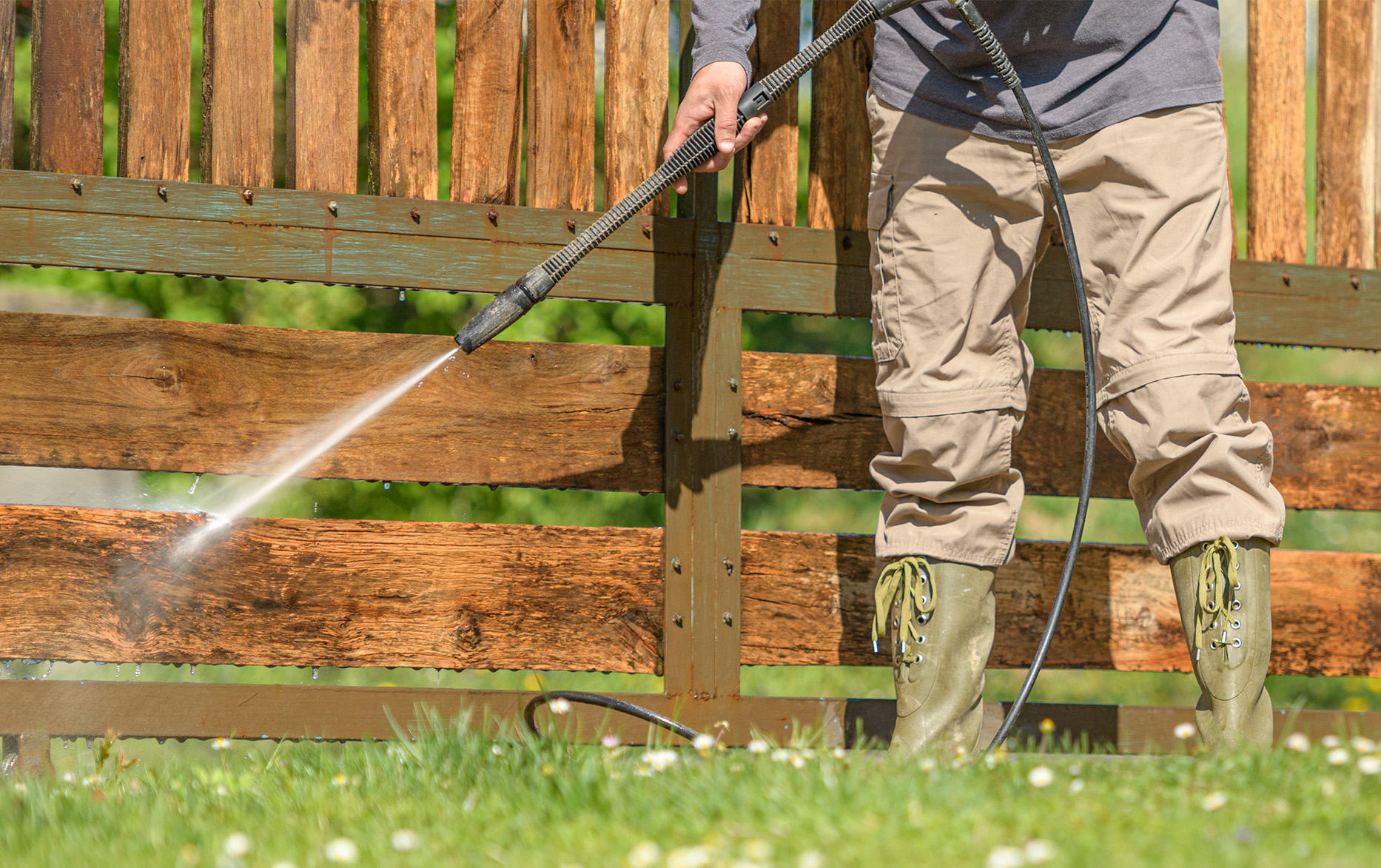
Using a pressure washer to deep clean your bike can be problematic, forcing water into bearings and compromising the grease (especially if you've applied a degreasing cleaner) as well as any existing bar tape. If you're using high pressure, keep the nozzle at least 2-3 feet from the bike and be sure to avoid the bearings if possible, to avoid breaking the bearing seals and putting them at risk of drying out.
Bonus tip: Use Simple Green All-Purpose Cleaner as a laundry pre-treat to remove grime and grease from your cleaning cloths. Dampen the cloths with water, apply full-strength Simple Green, and rub in gently. Wash as usual.