Flip over almost any plastic container, and you'll find a small number from 1 to 7 inside a triangle. It's easy to assume that it's a recycling symbol, but it isn't.
That number is a resin identification code that tells you what type of plastic the item is made from. The Society of the Plastics Industry created the system in 1988 to help recycling facilities sort plastics. Today, ASTM International manages the codes, and newer packaging often shows them inside a solid triangle instead of chasing arrows to make clear the symbol identifies the plastic rather than promising it can be recycled.
Whether an item can actually be recycled depends on the type of plastic and, just as importantly, on what your local recycling program accepts.

Water and soda bottles, food jars, many cleaner bottles. These are widely accepted.
Milk jugs, detergent bottles, shampoo bottles. These are widely accepted.
Pipes, vinyl siding, some clear packaging. These are rarely accepted curbside.
Plastic bags, shrink wrap, squeeze bottles. These usually aren't accepted curbside, but many stores have drop-off bins for bags and film.
Yogurt tubs, bottle caps, takeout containers. These are increasingly accepted curbside, so check your local program.
Foam cups and takeout boxes, disposable cutlery. These are rarely accepted.
Mixed plastics, polycarbonate, and some bioplastics like PLA. These are rarely accepted.
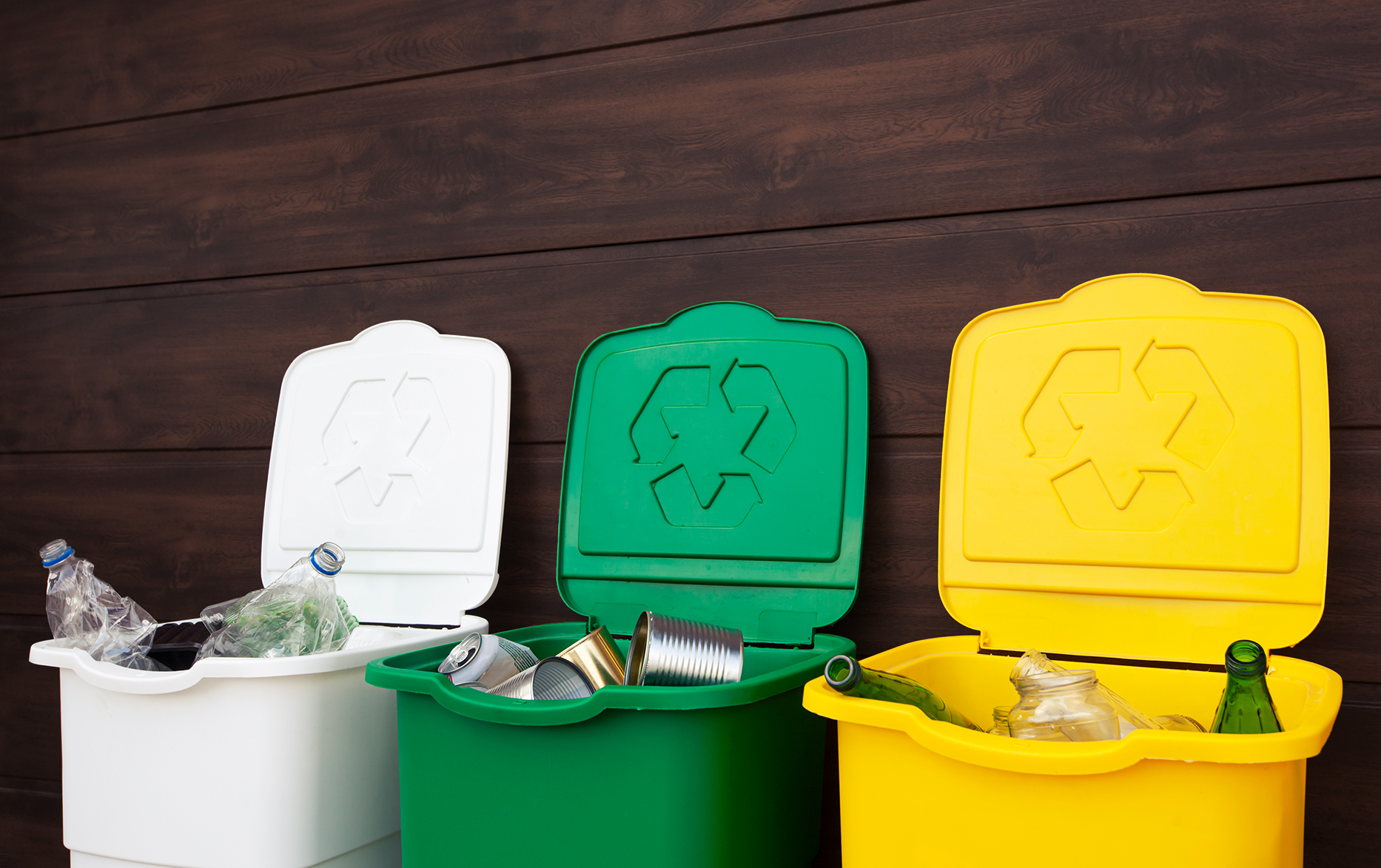
In general, #1 and #2 plastic resins are the safest bet for your recycling bin. Never put plastic bags in curbside recycling unless your program says to; they tangle sorting equipment.
Not every plastic that can't be recycled has to go straight to the trash, and not every "eco" label means what it sounds like.
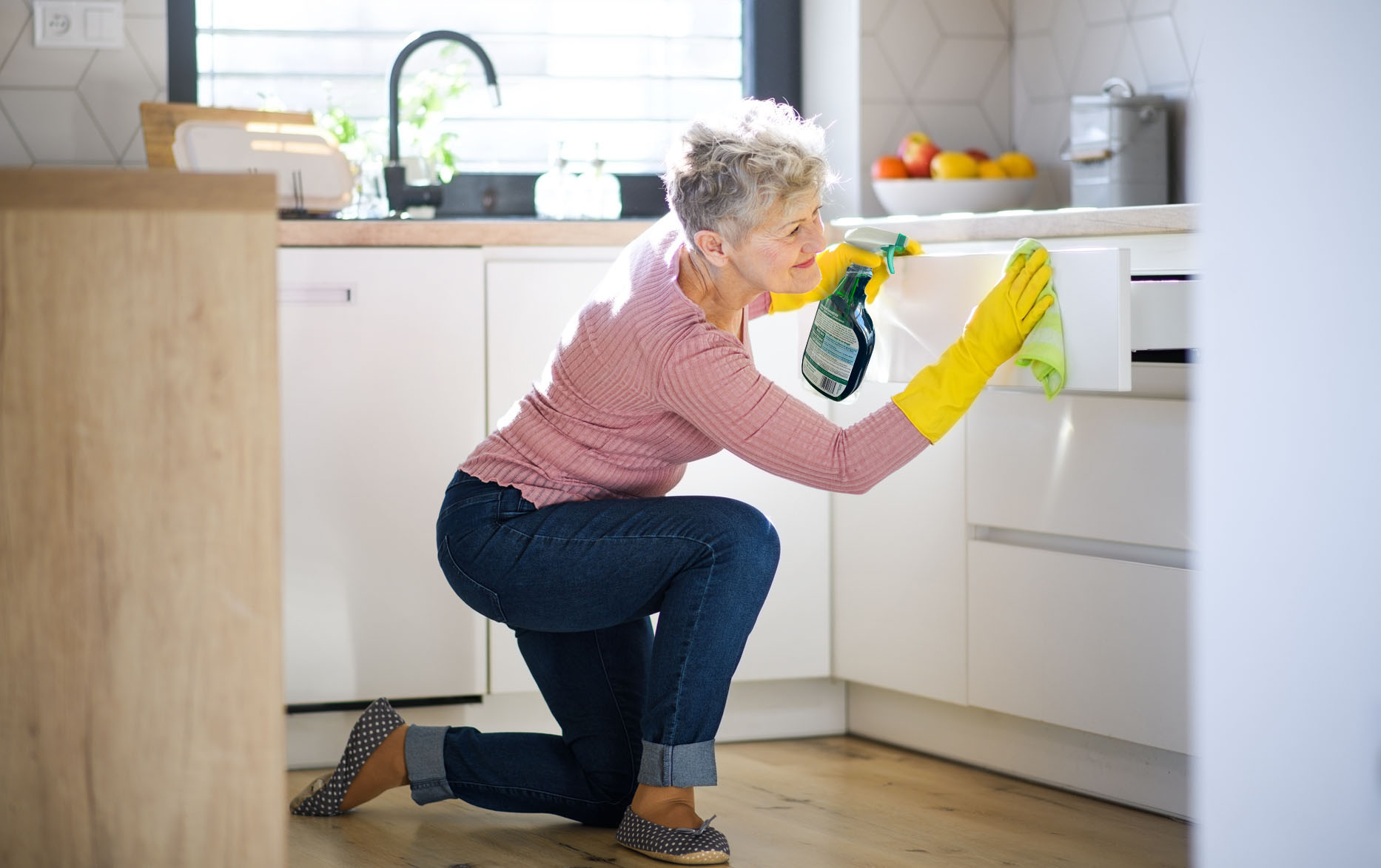
All Simple Green bottles are made from #1 PET and #2 HDPE plastic, the two types most widely accepted in curbside recycling programs. They're made with no added BPA or intentionally added phthalates.
Before recycling, empty and rinse the bottle and remove the trigger sprayer, which is typically made of mixed materials and isn't recyclable curbside.
Recycling plastics varies from city to city, so the best way to know what belongs in your bin is to check locally. Visit your city or county waste management website, or search by ZIP code with a tool like Earth911's recycling locator. When in doubt, leave it out, since one wrong item can contaminate a whole batch of recyclables.