According to the Centers for Disease Control and Prevention (CDC), adults typically catch a cold 2-3 times each year, while the flu leads to millions of illnesses and medical visits. There's no cure for the common cold, and the flu can knock you out for days or more, so prevention is your best defense.
The good news: a few simple habits can make the difference between a houseful of sick people and a healthy home this cold and flu season.
Here are six simple tips for cold and flu prevention:
The CDC recommends a yearly flu vaccine for nearly everyone 6 months and older as the best way to reduce your risk of getting sick. Each year's vaccine targets the flu strains expected to be most common that season. It won't protect against every strain, but it lowers your chances of getting the flu and can make symptoms milder if you do. Talk to your doctor or pharmacist about the right timing for you.
You're likely not the first, or even the tenth, person to touch that elevator button or office doorknob today. Washing your hands regularly helps keep those germs at bay.
A quick rinse isn't enough. The CDC recommends wetting your hands with clean running water (warm or cold), lathering with soap, and scrubbing for at least 20 seconds, about the time it takes to sing "Happy Birthday" twice. Then rinse and dry.
If soap and water aren't available, use an alcohol-based hand sanitizer with at least 60% alcohol.
Sneezes travel farther than you might think. Researchers at MIT found that a sneeze releases a sheet of saliva and mucus that balloons, bursts like a bubble, and spreads into a spray, and that the cloud can carry droplets up to about 26 feet.
When you feel a cough or sneeze coming on, use a tissue, throw it away right after, and wash your hands. No tissue? Sneeze into the crook of your elbow. Avoid sneezing into your hands, since you'll likely pass those germs to the next surface you touch, where flu viruses can survive for 24 to 48 hours.
Germs enter the body easily through the eyes, nose, and mouth. Whether you're at work, at home, or running errands, keeping your hands away from your face is one of the simplest ways to stop germs from spreading.
And if you do get sick, stay home when you can. Resting helps you recover faster and keeps your germs from spreading to coworkers and classmates.
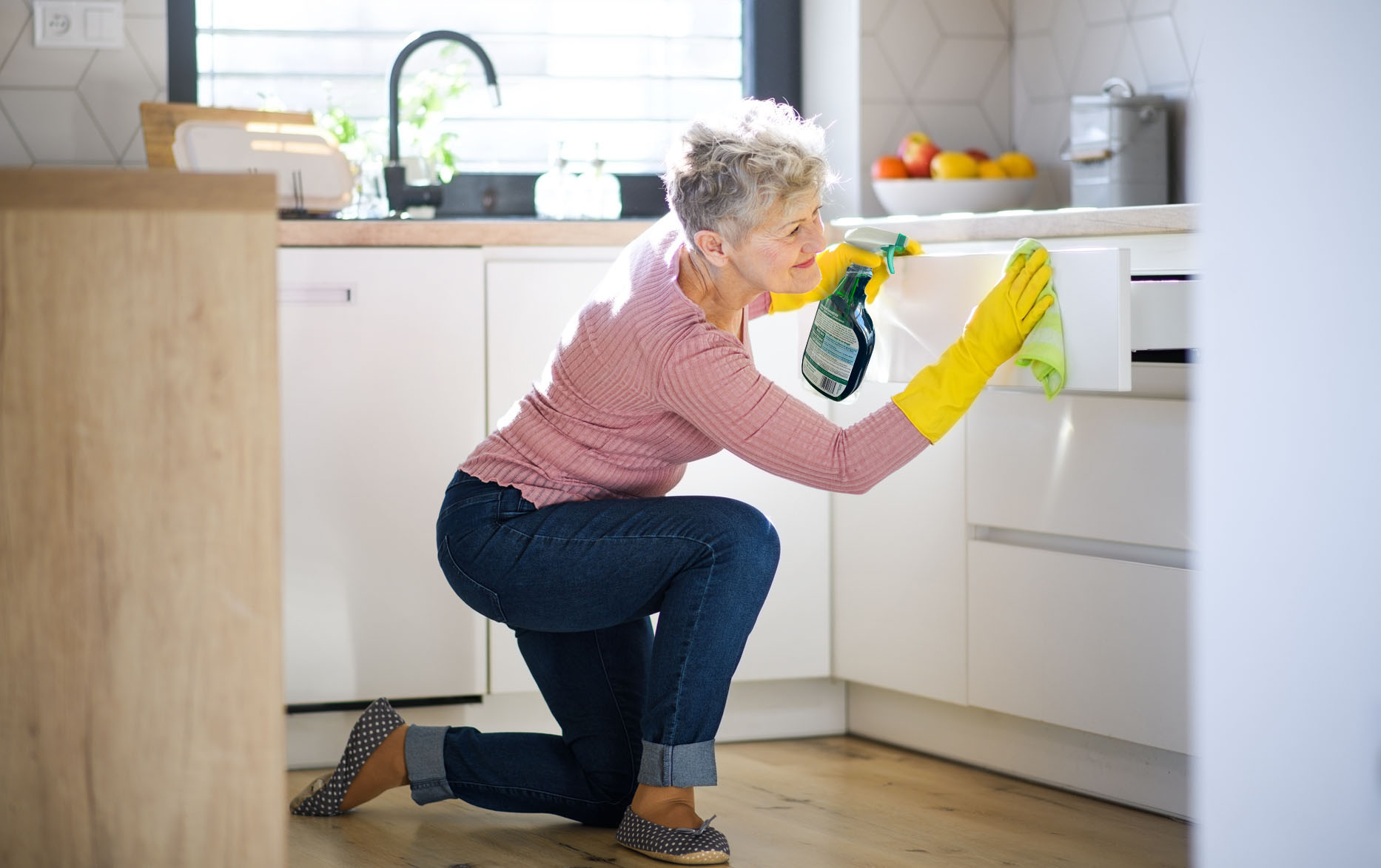
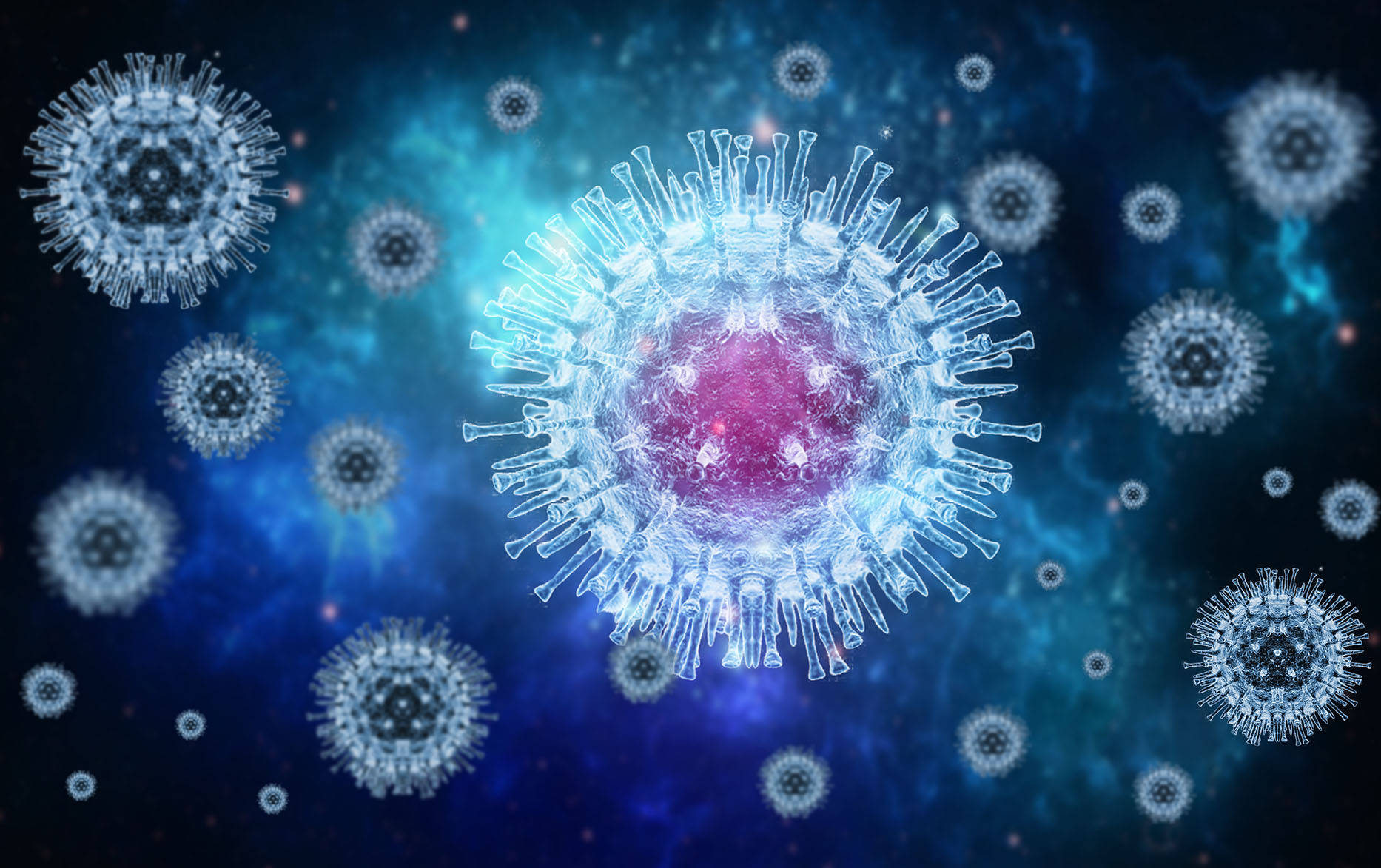
Not all disinfectants kill cold and flu viruses. Check the product label for the specific viruses it's tested against. Look for rhinovirus, the most common cause of colds, and influenza A virus, which causes many seasonal flu cases. Simple Green Clean Finish kills both cold†† and flu viruses7.
Just as important is how long the product stays on the surface. Every disinfectant needs to stay wet for a set amount of time to kill germs, often called the "contact time," "dwell time," or "kill time." It's listed in the label directions and can range from under a minute to 10 minutes, even among products from the same brand. If the surface dries before then, germs may still be there.
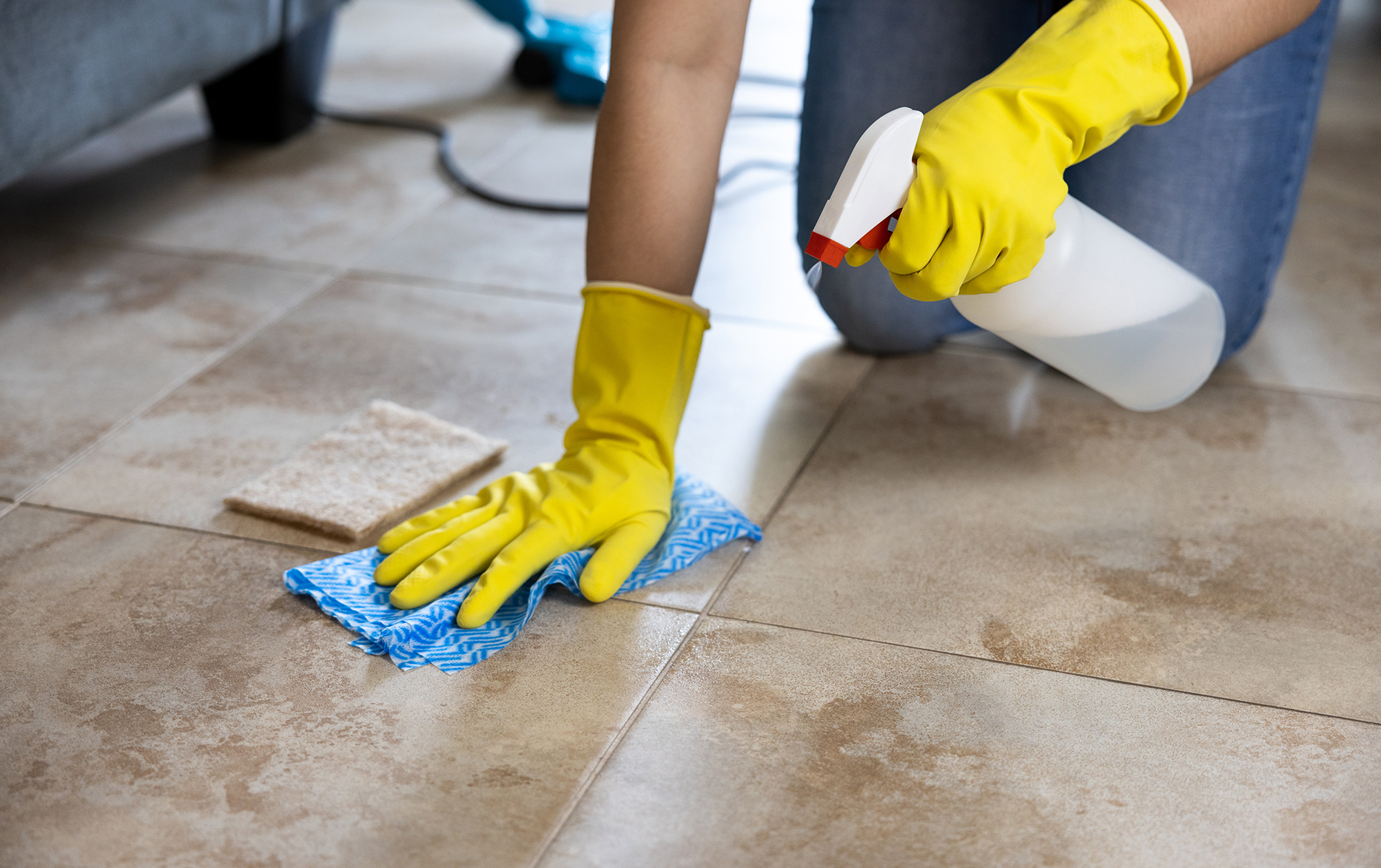
Disinfecting wipes can dry out before the full contact time is up, so you may have to re-wipe the same surface several times to keep it wet. A spray disinfectant makes it easier to fully wet the surface and keep it wet for as long as the label requires.
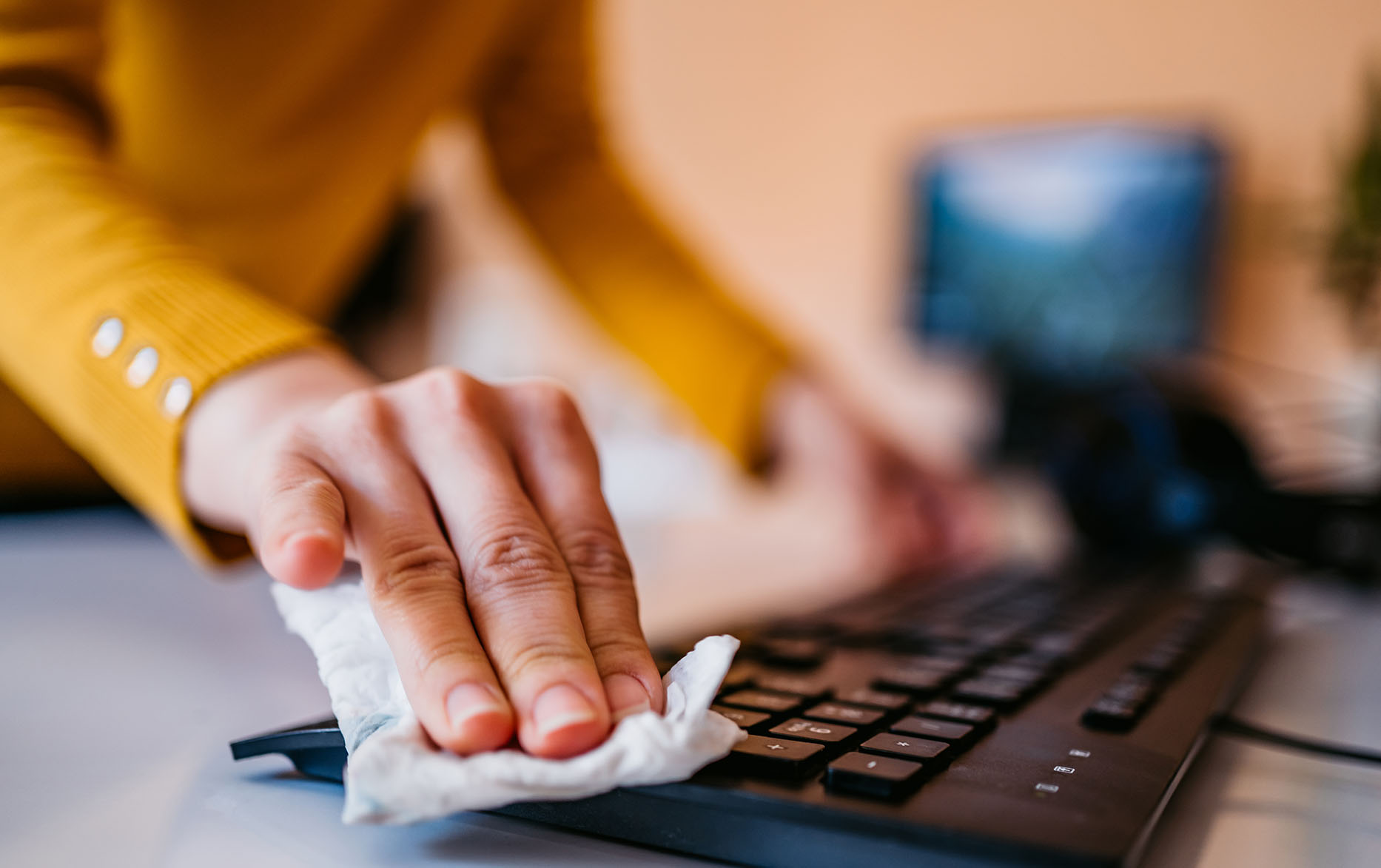
Door handles, light switches, faucet handles, remotes, phones, and game controllers get touched by everyone in the house, so they're prime spots for germs. Disinfect them regularly throughout cold and flu season, especially when someone at home is sick. Before disinfecting electronics, check the device manufacturer's cleaning guidance.
Sometimes, it can be hard to tell the difference between a common cold and the flu, since both are respiratory illnesses. However, if you have any of the following symptoms, you may have the flu:
Flu symptoms usually come on abruptly, while common cold symptoms can take a few days.
Preventing the flu comes down to a handful of everyday habits: get vaccinated, wash your hands, cover your sneezes, keep your hands off your face, and keep high-touch surfaces clean and disinfected. Together, they give your household its best shot at a healthy cold and flu season.
Ready to stop the spread of germs? Explore Simple Green disinfectant products.
††Rhinovirus, 7Influenza A Virus (H2N2) & (H1N1)