HOW TO CLEAN A CARBURETOR
- Simple Green Pro HD Heavy-Duty Cleaner
- Basic hand tools (screwdrivers, pliers, wrench, etc.)
- Brass brush
- Can of compressed air
- Large bucket or container
- Stiff nylon brush
- Towel or absorbent cloth
- Water
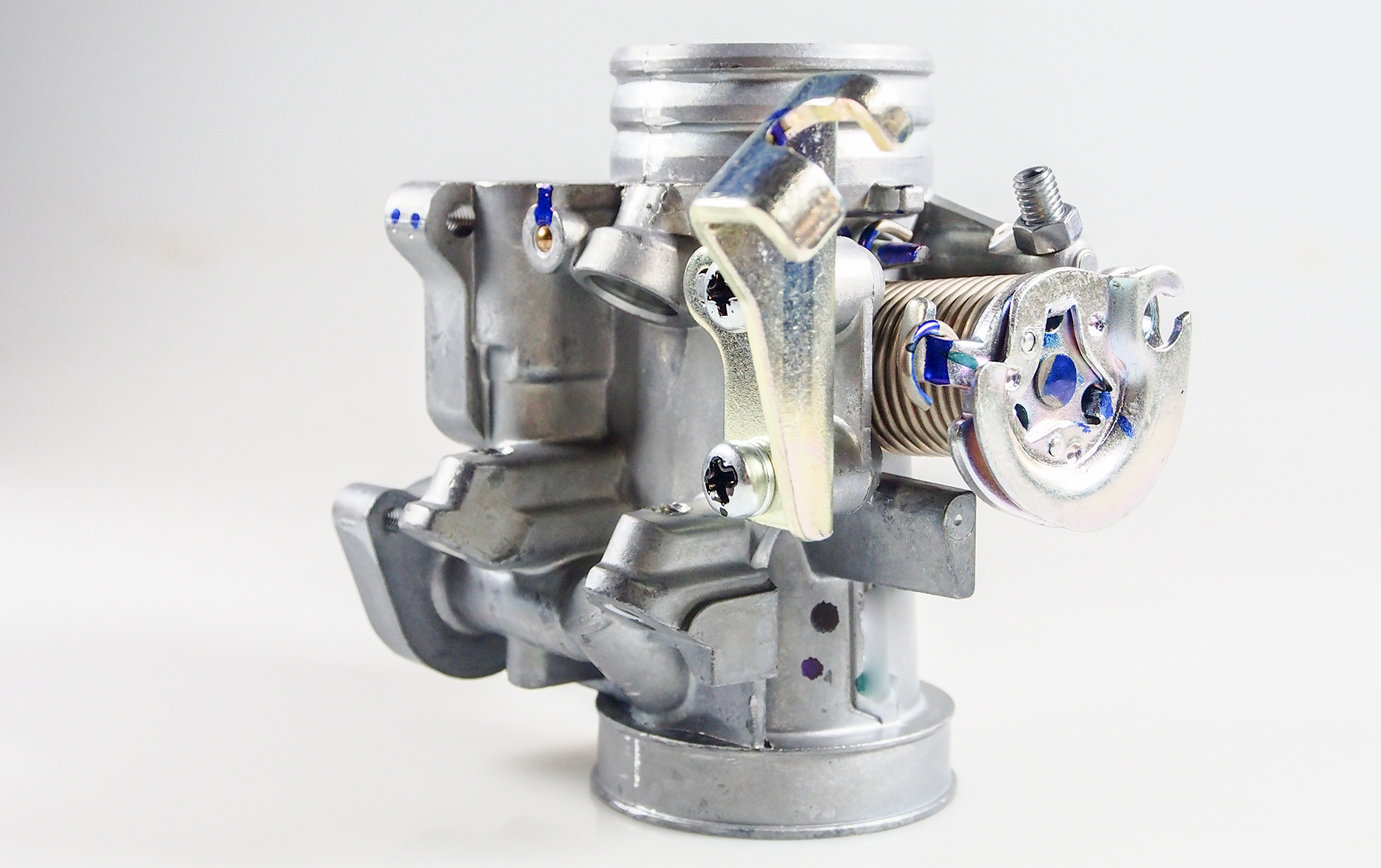
The carburetor on a vehicle, lawn mower, or other small engine is where gasoline and air mix before entering the engine. Keeping the carburetor clean helps the engine run smoothly, prevents corrosion, and eliminates the need for costly repairs. Regular cleaning also helps maintain fuel efficiency and supports consistent engine performance.
Over time, gasoline in the carburetor can evaporate and oxidize, leaving behind heavier fuel components that form a sticky residue on the carburetor walls that builds up over time. When a vehicle or machine sits unused, it can cause gasoline to thicken, which may prevent the carburetor's small internal components from moving properly.
Connections attached to the carburetor's throttle and choke plates can also become stuck when dirt and buildup accumulate. Additionally, if the carburetor gives off a smell of turpentine or an unusual chemical odor, it is likely overdue for cleaning.
It is important to use a non-corrosive, non-flammable cleaner that will not damage or degrade the plastic or rubber pieces on the carburetor. Avoid using vinegar, as the acetic acid in vinegar makes metal more susceptible to rust. Additionally, bleach should never be used, as sodium hypochlorite can corrode metals such as steel and aluminum and damage rubber seals.
The best option is Simple Green Pro HD Heavy-Duty Cleaner. Due to its non-corrosive formulation, it is safe to use on aluminum, stainless steel, and other metals. It quickly breaks down grease, oil, road grime, and other automotive fluids, making it ideal for cleaning a carburetor.
Directions for Cleaning a Carburetor:
Tip: Check the owner's manual before cleaning the carburetor and follow the instructions for proper cleaning and maintenance.
Tip: Turn off the engine and allow the carburetor to cool completely before cleaning.
- Dilute. In a large bucket or container, mix 1 part Simple Green Pro HD Heavy-Duty Cleaner to 3 parts water.
- Clear air filter. Before cleaning your carburetor, check the air filter to ensure the air entering the carburetor is clean and free of obstructions, since a clogged filter can restrict airflow and lead to black smoke emissions from the exhaust. Shut off the fuel supply and disconnect the spark plug wire. Remove the housing and loosen the wing nut that secures the filter and remove the outer element. Use a can of compressed air to gently blow away dust and debris.
- Remove the carburetor. Disconnect any linkages and hoses using pliers or a screwdriver as necessary. Remove any covers or clamps securing the carburetor in place such as the hose clamp that connects it to the fuel line. Carefully lift the carburetor out of its mounting position and use compressed air to blow off any dirt from the outside casing.
- Tip: If you are unfamiliar with this procedure, consult a qualified professional before attempting to clean the carburetor.
- Remove the carburetor float. Remove the bolt securing the carburetor float (bowl-shaped container) in place, being careful not to spill any remaining fuel inside the float. Next, remove the pin that the float pivots on and place it aside in a safe place. Then gently lift the float out of the carburetor body.
- Tip: If fuel spills, dispose of it safely and properly.
- Remove additional components. If necessary, remove small components (jets, screws, linkages, etc.) from the carburetor to access areas that need cleaning.
- Tip: Keep track of the placement and orientation of any parts removed so they can be reassembled correctly.
- Soak and scrub components. Place the carburetor float and other components in the large container with the diluted Simple Green Pro HD Heavy-Duty Cleaner and soak thoroughly. Use a brass brush to scrub all metal components, and a stiff nylon brush for the plastic pieces.
- Rinse. Rinse all carburetor components to remove any remaining cleaning solution by gently pouring clean water over them or briefly submerging them in a bucket of clean water.
- Air dry. After rinsing, place the carburetor components on a clean towel or absorbent cloth and allow them to air dry completely. Use a can of compressed air to blow out small holes and vents to remove any trapped moisture.
- Reassemble. Once all components are completely dry, carefully reassemble the carburetor and mount it back onto the engine. Reconnect all hoses, clamps, and wires as well.